Trademarks

Protect the brand you’re building with a trademark lawyer in California

A trademark can be any word, phrase, symbol, design, or combination of these that identifies your goods or services. It’s how customers recognize you and distinguish you from your competitors. We identify your marks, devise strategies for selection and clearance, and prosecute your trademark applications.

What we handle

Trademark guidance and representation

  • Strategy

    Selection and clearance

    We carefully identify your IP and devise strategies for selection and clearance of your marks.

  • Prosecution

    Filing and prosecution

    Prosecuting trademark applications in every jurisdiction where your company does business.

  • Protection

    Protecting your marks

    We look for innovative ways to ensure your marks stay protected as your business grows.

  • Border protection

    Customs registration

    Once your trademark is federally registered, we record it with U.S. Customs and Border Protection so officers can stop counterfeit and infringing imports at the border.

  • TTAB

    TTAB matters

    Oppositions, cancellations and appeals before the Trademark Trial and Appeal Board.

    TTAB matters

Trademark basics

What to know about your trademark rights

Two people signing trademark documents at a desk
  • Trademarks and service marks

    The word “trademark” can refer to both trademarks and service marks. A trademark is used for goods, while a service mark is used for services.

  • Your rights are tied to your goods or services

    Owning a trademark doesn’t give you rights to a word or phrase in general, only to how it’s used with your specific goods or services. A logo used for a woodworking business doesn’t stop others from using a similar logo for non-woodworking goods or services.

  • Creative marks are stronger

    Trademarks that merely describe your goods or services aren’t effective. Creative and unique trademarks are more effective and easier to protect.

  • Use creates rights; registration broadens them

    You become a trademark owner once you start using the mark with your goods or services, but those rights are limited to the geographic area where you provide them. Registration isn’t required, but a registered trademark provides broader, nationwide rights and protections.
International protection

Extending trademark rights abroad

A U.S. trademark registration only protects your brand in the United States. If you sell, manufacture or plan to expand outside the U.S., you’ll need protection in each of those countries too.

The Madrid Protocol, administered by the World Intellectual Property Organization (WIPO), lets you seek protection in more than 130 countries through a single international application filed through the USPTO. It’s based on your U.S. application or registration, uses one set of forms, and is renewed centrally every 10 years.

Each country you designate examines the mark under its own laws and can refuse it. For the first five years, your international registration also depends on your U.S. application or registration, so we make sure that base is strong before you expand. In some markets, filing directly with the national trademark office is the better route, and we’ll advise you on which approach fits.

How a Madrid application works:

  • File in the U.S. first, then extend through a single international application
  • Choose the countries where you do business or plan to
  • File within six months of your U.S. application to keep its filing date abroad
  • Each country examines the mark under its own rules
  • Renew once, every 10 years, for all countries

Using trademark symbols

  • TM

    For goods

    Can be used without filing an application.

  • SM

    For services

    Can be used without filing an application.

  • ®

    After registration

    Use only once your trademark is registered with the USPTO.

About our trademark services

Trademark protection and ownership

A trademark can be any word, phrase, symbol, design, or a combination of these things that identifies your goods or services. It’s how customers recognize you in the marketplace and distinguish you from your competitors.

The word “trademark” can refer to both trademarks and service marks. A trademark is used for goods, while a service mark is used for services.

A trademark:

  • Identifies the source of your goods or services.
  • Provides legal protection for your brand.
  • Helps you guard against counterfeiting and fraud.

A common misconception is that having a trademark means you legally own a particular word or phrase and can prevent others from using it. However, you don’t have rights to the word or phrase in general, only to how that word or phrase is used with your specific goods or services.

For example, let’s say you use a logo as a trademark for your woodworking business to identify and distinguish your goods or services from others in the woodworking field. This doesn’t mean you can stop others from using a similar logo for non-woodworking-related goods or services.

Another common misconception is believing that choosing a trademark that merely describes your goods or services is effective. Creative and unique trademarks are more effective and easier to protect.

You become a trademark owner as soon as you start using your trademark with your goods or services. You establish rights in your trademark by using it, but those rights are limited, and they only apply to the geographic area in which you’re providing your goods or services. If you want stronger, nationwide rights, you’ll need to apply to register your trademark with the USPTO.

You’re not required to register your trademark. However, a registered trademark provides broader rights and protections than an unregistered one.

Every time you use your trademark, you can use a symbol with it. The symbol lets consumers and competitors know you’re claiming the trademark as yours. You can use “TM” for goods or “SM” for services even if you haven’t filed an application to register your trademark.

Once you register your trademark with the USPTO, use the ® symbol with it. You can place the symbol anywhere near the mark, though most owners use it as a superscript to the right of the trademark. You may only use the registration symbol for the goods or services listed in your federal registration.

Schedule a consultation

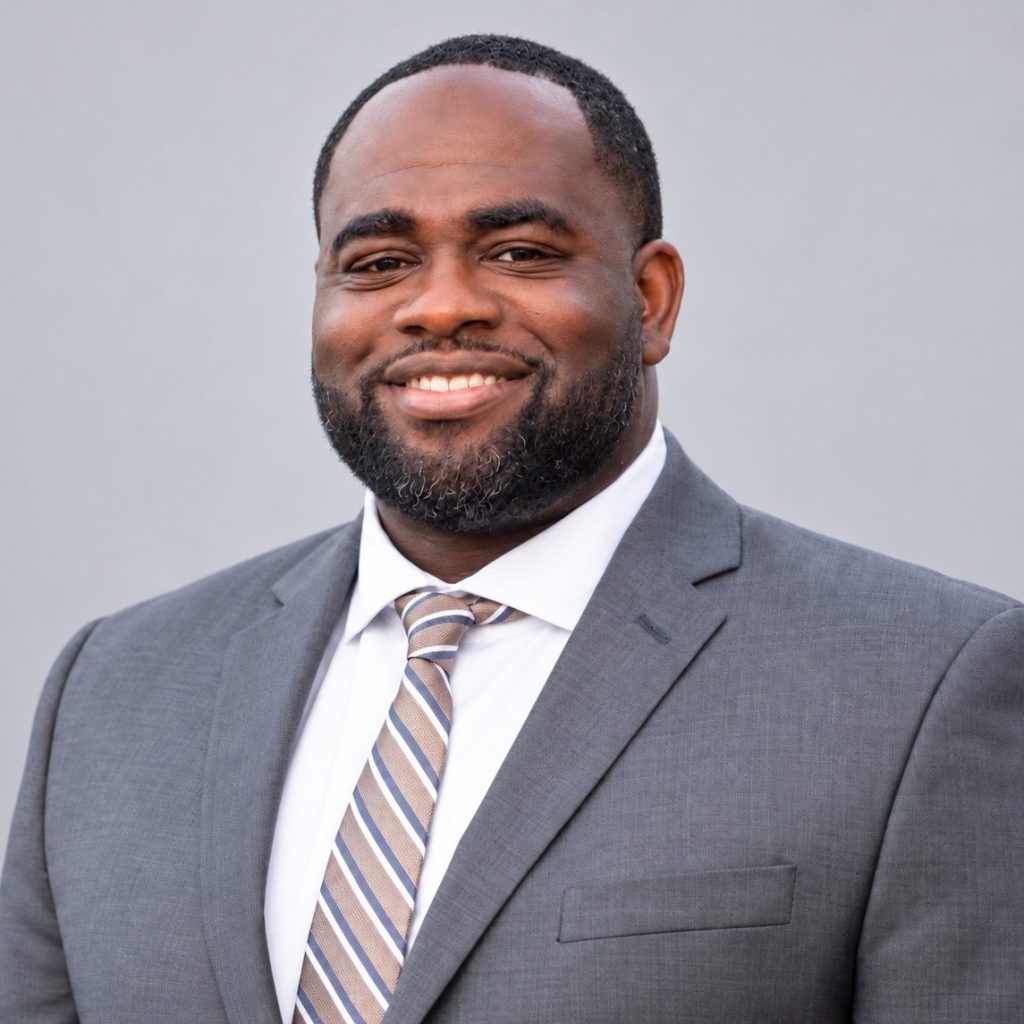
Herbert T. "Teddy" Patty, Registered Patent Attorney

Your patent attorney

Herbert T. Patty, Esq.

A Registered Patent Attorney licensed to practice law in California and to represent inventors and companies before the USPTO. Before becoming an attorney, he worked as a process engineer at Intel, then moved to Intel's legal department for patent licensing and prosecution.

  • 10+ Years IP Experience
  • Santa Clara Law, J.D. + High Technology Law
  • Georgia Tech, Mechanical Engineering

FAQ

Common trademark questions

General information, not legal advice for your situation.

Still have questions?

Speak with a Registered Patent Attorney

Schedule a consultation to discuss your matter, or call (408) 520-8701.

Only for specific goods or services, and marks that merely describe what you sell are hard to protect. Distinctive, creative marks are stronger and easier to enforce.

Legal protection for your brand

Schedule a consultation for trademark guidance and representation. We’ll agree on scope, timing and fees before any work begins.