Copyrights
Copyright protects original works of authorship as soon as they’re fixed in a tangible form, such as written down, recorded or saved. We provide copyright guidance and representation, and look for innovative ways to ensure your creative works and other materials are protected.
Ownership
Protection begins as soon as a work is fixed in a tangible form.
Ownership
01
When you create an original work and record it in some form (a photo, a poem, a blog post, a new song) you’re the author and the owner.
02
Companies, organizations and other people can also own copyrights. An employer owns works an employee creates within the scope of employment, and certain commissioned works created by independent contractors.
03
Copyright ownership can transfer through contracts, such as assignments, and through wills and bequests.
About our copyright services
Copyright is a type of intellectual property that protects original works of authorship as soon as they’re fixed in a tangible form. Protected works include paintings, photographs, illustrations, musical compositions, sound recordings, computer programs, books, poems, blog posts, movies, architectural works and plays.
Everyone is a copyright owner. When you create an original work, such as taking a photograph, writing a poem or blog post, or recording a new song, you’re its author and owner.
Companies, organizations and other people besides the creator can also own copyrights. Under the “work made for hire” rule, an employer owns works its employees create within the scope of their employment, along with certain commissioned works by independent contractors. Ownership can also transfer through assignments and other contracts, or through wills and bequests.
Your patent attorney
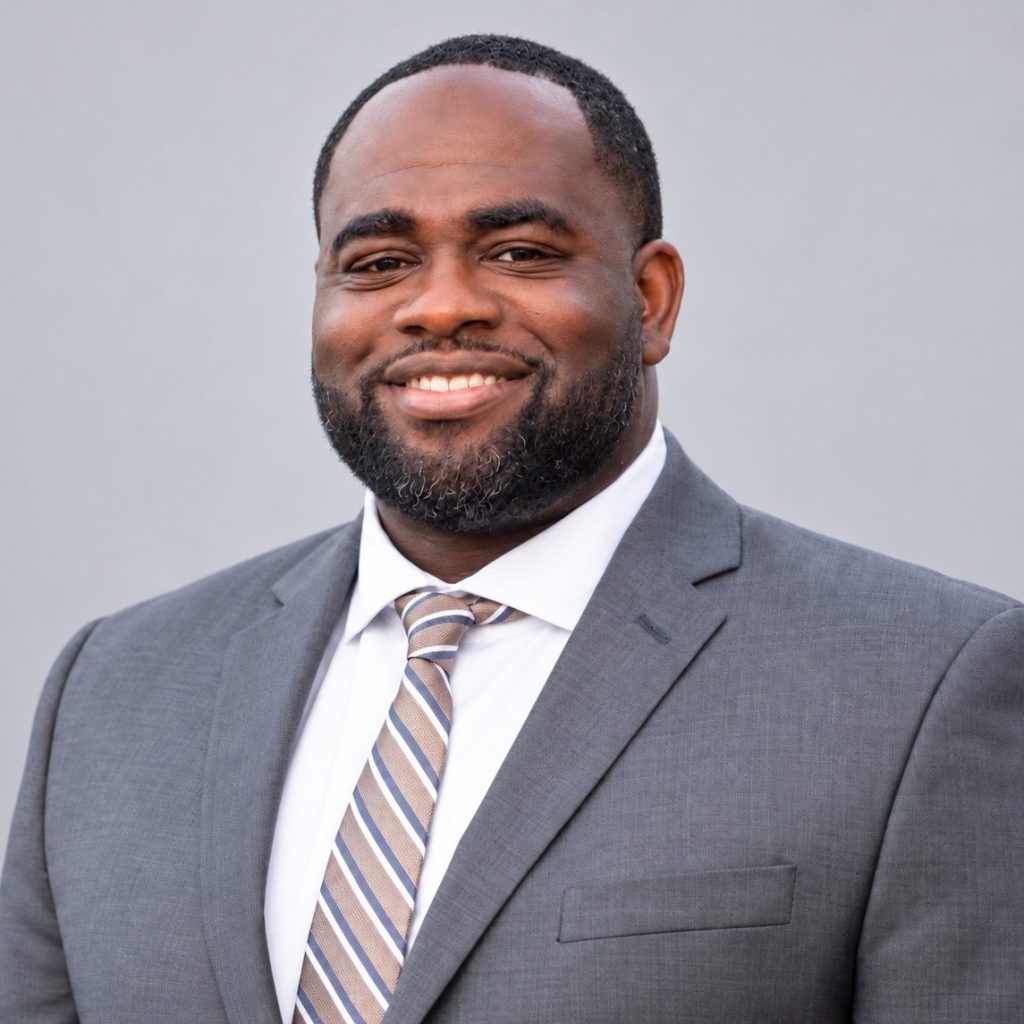
A Registered Patent Attorney licensed to practice law in California and to represent inventors and companies before the USPTO. Before becoming an attorney, he worked as a process engineer at Intel, then moved to Intel's legal department for patent licensing and prosecution.
FAQ
General information, not legal advice for your situation.
Still have questions?
Speak with a Registered Patent Attorney
Schedule a consultation to discuss your matter, or call (408) 520-8701.
For U.S. works, registration with the U.S. Copyright Office is required before you can sue for infringement, and registering early can make statutory damages and attorney’s fees available.
No. Copyright protects the way an idea is expressed, not the idea itself, facts or methods. Inventions and processes may be protected by patents instead.
Usually the contractor, unless there’s a written agreement. That could be an assignment, or a work-made-for-hire agreement for eligible types of work. If you’re paying for creative work, put ownership in writing before it starts.
For works created by individuals, the author’s life plus 70 years. For works made for hire, 95 years from publication or 120 years from creation, whichever ends first.
A patent protects an invention, such as a new device, process or design. Examples: a new kind of medical sensor, a faster manufacturing method, or the unique shape of a product (a design patent).
A trademark protects the names, logos and slogans that identify your brand. Examples: a company or product name, a logo, or a tagline used on your packaging and website.
A copyright protects original creative work. Examples: software code, a website’s text and photos, marketing videos, or a song.
A trade secret protects valuable confidential information for as long as it stays secret. Examples: a recipe or chemical formula, a manufacturing process, or a customer list and pricing strategy. Coca-Cola’s formula is a well-known example.
Most companies need more than one. A startup might patent its device, trademark its product name, copyright its app code, and keep its manufacturing process as a trade secret.
Schedule a consultation for copyright guidance and representation. We’ll agree on scope, timing and fees before any work begins.